LV Distribution Automation Terminal
LV Distribution Automation Terminal for Smart Grid & Industrial Applications — Intelligent, Modular, Field-Proven
DSY's LV Distribution Automation Terminal is an intelligent measurement and control device built for modern low-voltage distribution networks. Designed by Shenzhen Dongshengyuan Electrical Equipment Co., Ltd. — founded in 2005, with RMB 50.6 million registered capital, 200 employees including 40 technicians (20.8% technical ratio), and 60+ patents — it supports AC/DC 85–265V wide-range power input, configurable multi-channel IO, multi-protocol communication, and IP30/IP40 protection. Compliant with GB/T 13729, it serves distribution network upgrades, industrial and commercial distribution rooms, photovoltaic energy storage, and urban smart grid projects.
What Is an LV Distribution Automation Terminal and Why Does It Matter?
A low-voltage distribution automation terminal is an intelligent electronic device that bridges the gap between the distribution transformer and the end-user meter. It gives utilities and facility managers real-time visibility into LV grid health — something that traditional equipment simply cannot provide.
Without this visibility, three major problems occur: you lose real-time insight into network status (the "black box" effect), technical and non-technical losses go undetected, and fault response time stays dangerously slow. This terminal solves all three by enabling automated fault location, isolation, and service restoration directly at the grid edge.
Key Application Scenarios
Distribution Network Upgrades
When aging distribution networks need modernization, this terminal provides the data acquisition and control layer that makes automation possible. It collects circuit data continuously and reports anomalies in real time.
Industrial and Commercial Distribution Rooms
In factories, shopping centers, or office complexes, the terminal monitors load profiles and power quality. It detects phase imbalances and abnormal currents before they cause equipment damage or unplanned shutdowns.
Photovoltaic and Energy Storage Integration
At community solar or EV charging hubs, the terminal monitors bi-directional power flow and manages voltage fluctuations. It keeps the grid stable even when renewable generation and charging loads fluctuate unpredictably.
Urban Smart Grid Projects
In dense residential networks, it coordinates with upstream breakers to isolate cable faults instantly, keeping healthy branches energized and minimizing outage impact on end users.
Technical Specifications
| Parameter | Details |
|---|---|
| Working Power Supply | AC/DC 85V – 265V |
| Rated Frequency | 50Hz / 60Hz |
| IO Configuration | Multi-channel telemetry, remote signaling, remote control; IO points configurable |
| Communication Interface | Multi-protocol docking supported |
| Shell Protection Grade | IP30 / IP40 |
| Enclosure Material | Metal / Flame-retardant ABS |
| Core Standards | GB/T 13729, IEC 60870-5-101/104, GB/T 14048.1, GB/T 19862 |
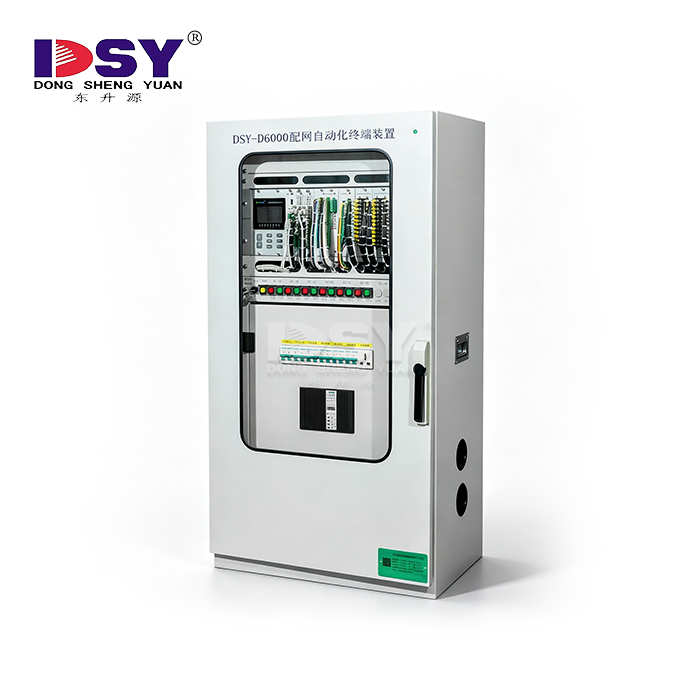
| Hardware Structure | Industrial-grade main control chip, modular IO, power supply, communication components |
| Protection Functions | Overvoltage, undervoltage, overcurrent, surge protection |
Hardware Design and Reliability
This LV Distribution Automation Terminal adopts industrial-grade main control chips, which support stable real-time multi-task operation and adapt to complex and harsh field power operation environments. The modular design of IO units, power supply modules and communication components simplifies on-site maintenance and later equipment upgrade.
The device is built with comprehensive hardware protection mechanisms, covering overvoltage, undervoltage, overcurrent and surge protection. It can maintain stable operation even under sudden on-site electrical impact and voltage fluctuation.
Equipped with strong anti-electromagnetic interference performance, the terminal can operate normally in industrial factories, substations and other scenarios with severe electromagnetic interference, ensuring long-term operational stability.
Modular Flexibility and Customization
The terminal's modular architecture lets you select and combine telemetry, remote signaling, remote control, and remote adjustment units based on your actual project requirements. You only deploy what you need.
IO point counts, communication protocols, and software logic are all customizable. This makes integration with your existing SCADA system or power distribution master station straightforward, even in complex or legacy architectures.
OEM customization services are also available. DSY provides full third-party testing reports, technical drawings, step-by-step debugging guidance, and remote after-sales support throughout the project lifecycle.
Quality Assurance and Documentation
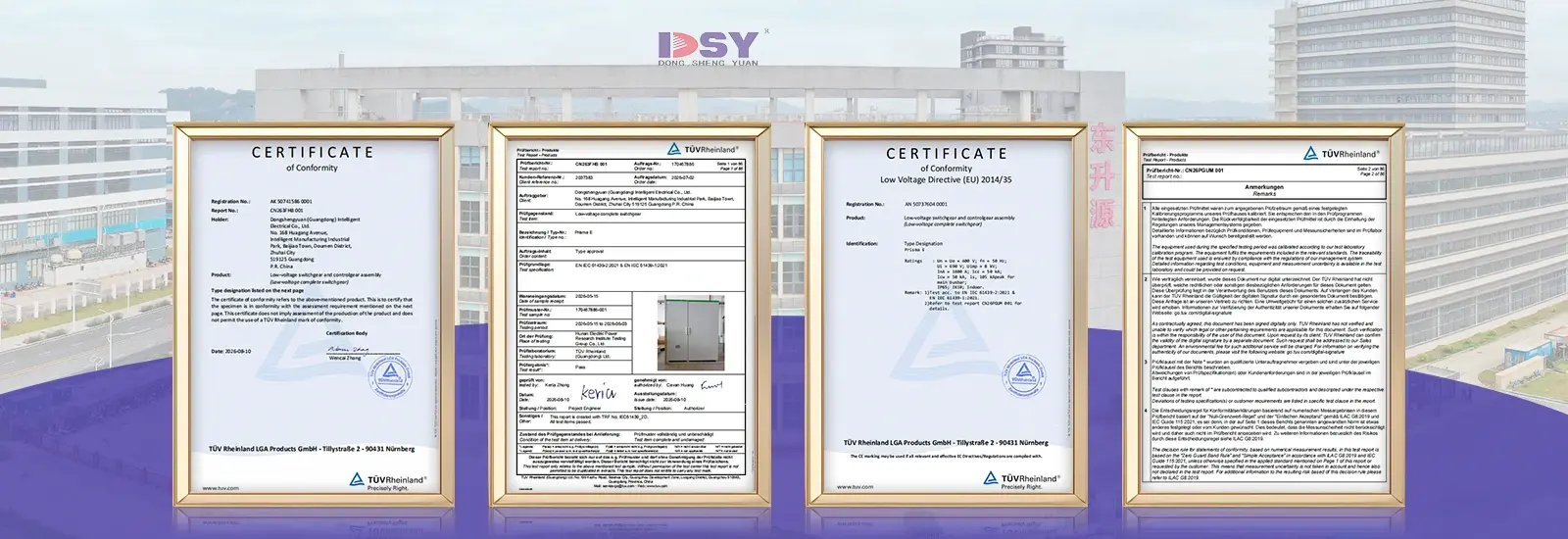
Every unit goes through a full set of third-party testing before delivery. Testing covers electromagnetic compatibility, dielectric strength, and communication protocol conformance, ensuring the device performs exactly as specified once it is installed in the field.
Communication conformance testing verifies 100% compatibility with Distribution Management Systems (DMS). This eliminates the integration surprises that often delay commissioning on-site.
Full documentation — including testing reports, technical drawings, and debugging guides — is provided with every order. This gives your engineering and procurement teams the confidence needed for B2B decision-making at scale.
Why Choose DSY for Your Project
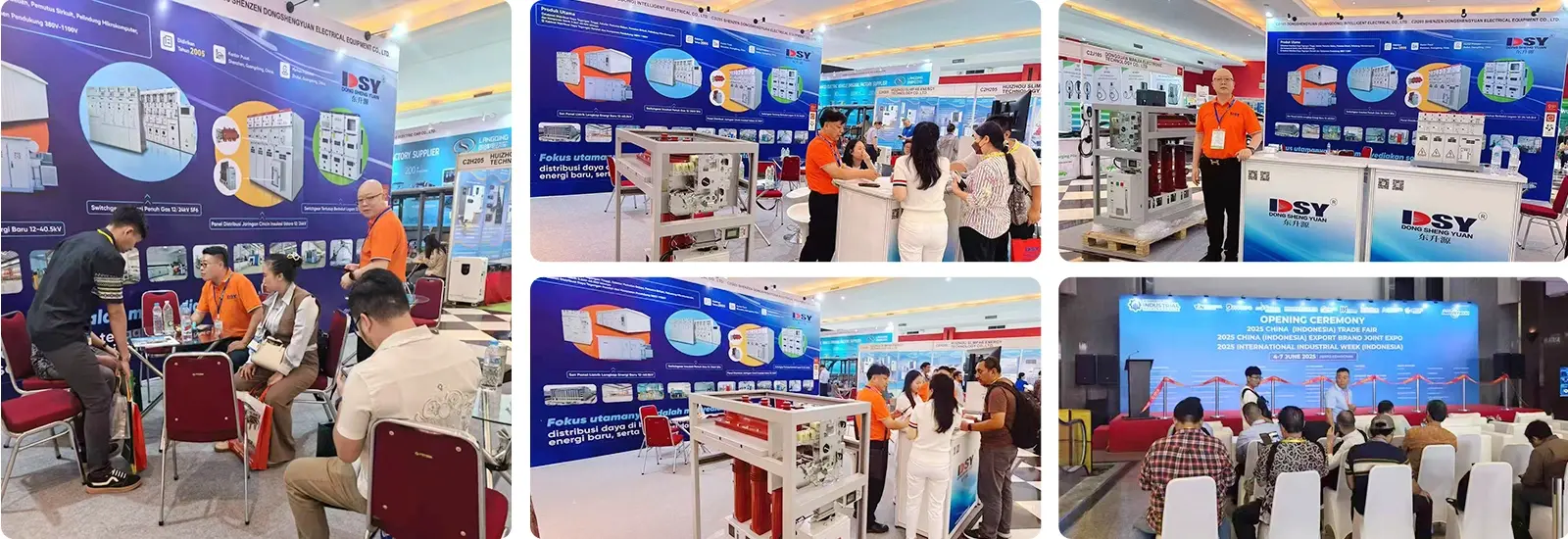
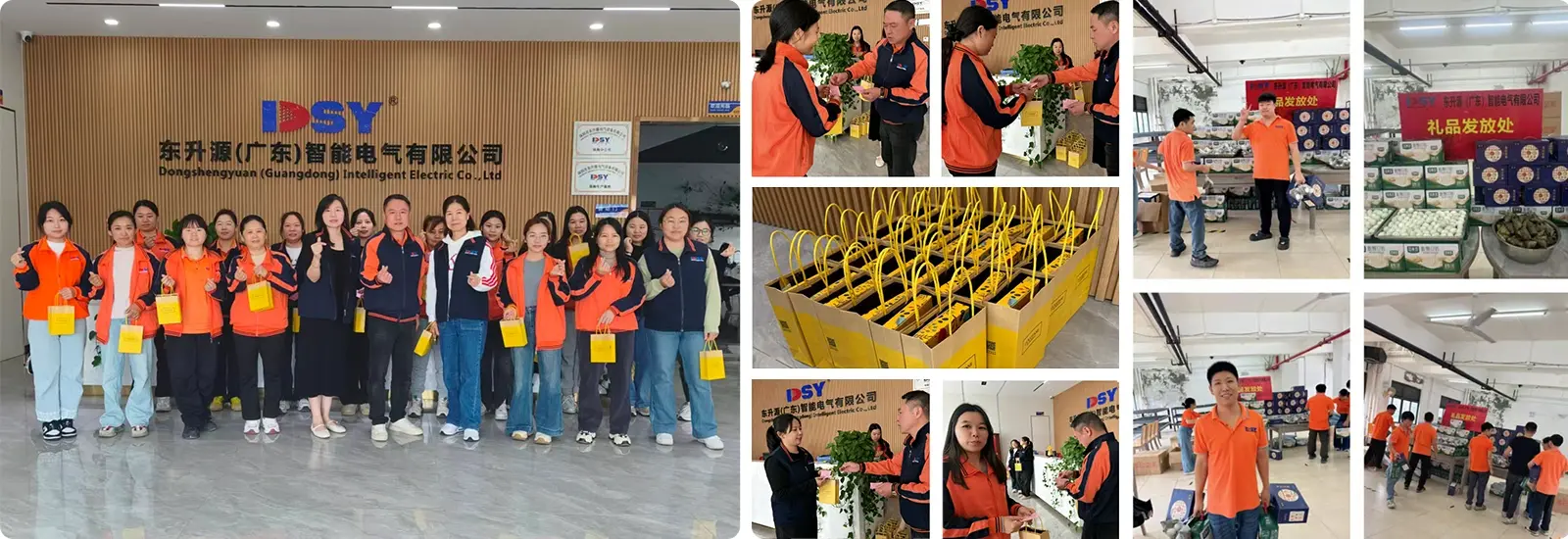
DSY has been developing and manufacturing power automation equipment since 2005. With 60+ patents and a technical team ratio of 20.8%, the company focuses on translating R&D investment directly into product reliability.
DSY is a qualified supplier for State Grid and China Southern Power Grid — two of the most demanding power system operators in China. Products and services cover both domestic and overseas markets, with full lifecycle support from design through after-sales.
Frequently Asked Questions
Q1: What are the core functions of this terminal?
A: It performs telemetry, remote signaling, remote control, and remote adjustment for LV distribution circuits. It handles data collection, abnormal alarms, and remote control to support automated operation and maintenance.
Q2: Which scenarios is this product designed for?
A: The Distribution Automation Terminal is suitable for distribution network upgrades, industrial and commercial distribution rooms, photovoltaic energy storage systems, and urban smart grid projects.
Q3: What safety protections are built in?
A: Hardware protection includes overvoltage, undervoltage, overcurrent, and surge protection. Software uses hierarchical permission management, retained operation logs, and encrypted communication to protect both equipment and data.
Q4: Can the terminal be customized for our specific system?
A: Yes. IO points, communication protocols, and software logic are all customizable. The terminal supports docking with various SCADA and power distribution master station systems, and OEM services are available.
Q5: How does it perform in high-interference environments?
A: The industrial-grade main control chip and hardware design deliver strong anti-electromagnetic interference performance. The wide AC/DC 85–265V power input also ensures stable operation across varying site conditions.
Q6: What documentation and support come with each order?
A: DSY provides a full set of third-party testing reports, technical drawings, debugging guidance, and remote after-sales support with every order.
Contact Us
Have a LV Distribution Automation Terminal project requirement or need a customized solution? Reach out to our team at [email protected] — we're ready to help.
SC-Bold
YOU MAY LIKE
_1791601032136.webp "Eco-Friendly Gas Insulated Switchgear")